
About
I am Giorgio Scalici, born in Palermo in 1986, and currently a Research Fellow at the University of Palermo. My work moves across the boundaries of death studies, religious diversity, ethnomusicology, and the anthropology of emotion, exploring how people give meaning to loss, ritual, and identity in contemporary societies.
I hold a PhD in Religious Studies and Ethnomusicology from Durham University, funded by the AHRC Northern Bridge Doctoral Training Partnership, a Master’s in Ethnomusicology from the University of Rome La Sapienza, and a BA in Music Studies from the University of Palermo.
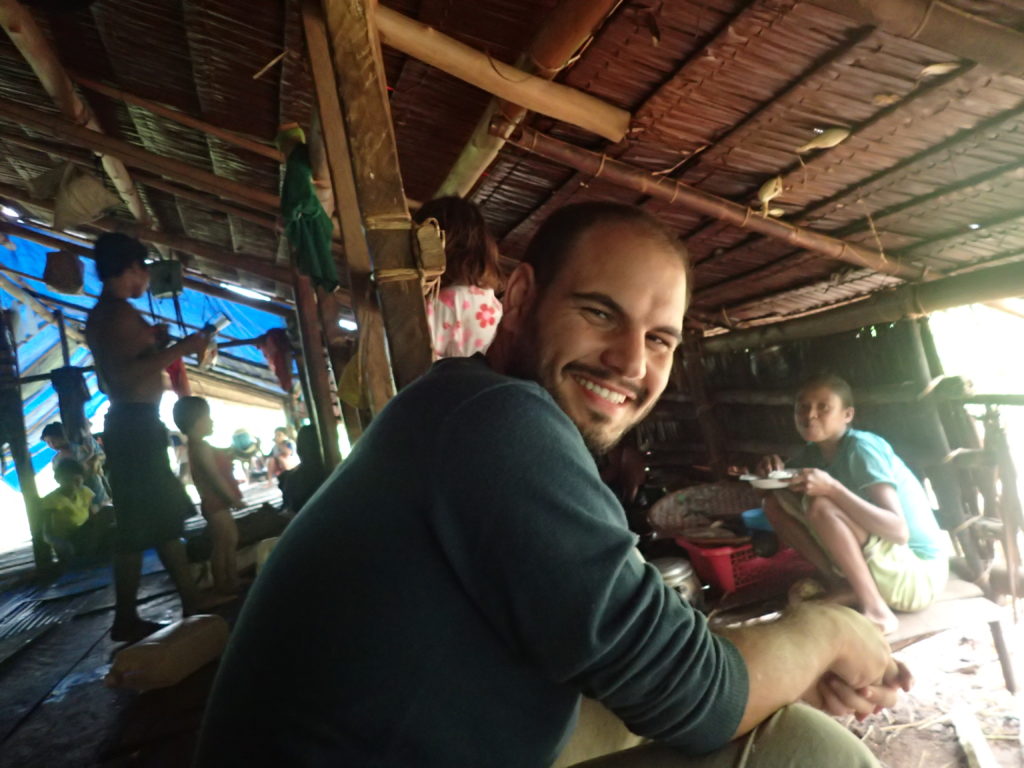
My doctoral research, supervised by Prof. Douglas Davies and Dr. Simon Mills, was based on fieldwork in Morowali, Indonesia, among the Wana Indigenous people, and examined how music and ritual express emotional values and mediate experiences of death and illness. I am currently preparing a monograph on Wana rituals and emotional life.
Before returning to Palermo, I held research fellowships at La Sapienza University of Rome (FRED Project: Freedom of Religious Expression in Death) and at NOVA University of Lisbon (INET-MD), where I studied the emotional and healing power of music and dance. I also served as a Board Member of the Durham University Centre for Death and Life Studies, and currently act as President of the Italian Network on Death and Oblivion (NIMO) and Series Editor of the interdisciplinary book series Death in a Chocolate Box.
Over the years, my research and teaching have expanded to include indigenous cultures, popular media (comic books and video games), and the cultural representations of the mafia — all viewed as mirrors through which societies narrate their moral and emotional worlds. I have taught at the University of Palermo, the Catholic University of the Sacred Heart in Rome, and Tadulako University (Indonesia), offering courses in ethnomusicology, anthropology of religion, and death studies.
My work has been presented at international conferences such as EUROSEAS, EASR, ICTM, and Death, Dying and Disposal, and published in journals including Approaches, Mortality, and the Journal of the British Association for the Study of Religions.
Ultimately, I believe that studying death — like studying music or religion — means studying what makes us human: our capacity to create meaning, to mourn, and to connect. Death, for me, is a privileged lens for understanding life itself: a way to explore how communities construct meaning, sustain memory, and reimagine coexistence.